
The Crab Island Report

Destin, Florida
How four men with shovels accidentally reshaped Florida's Emerald Coast in 1929
The Origin Story
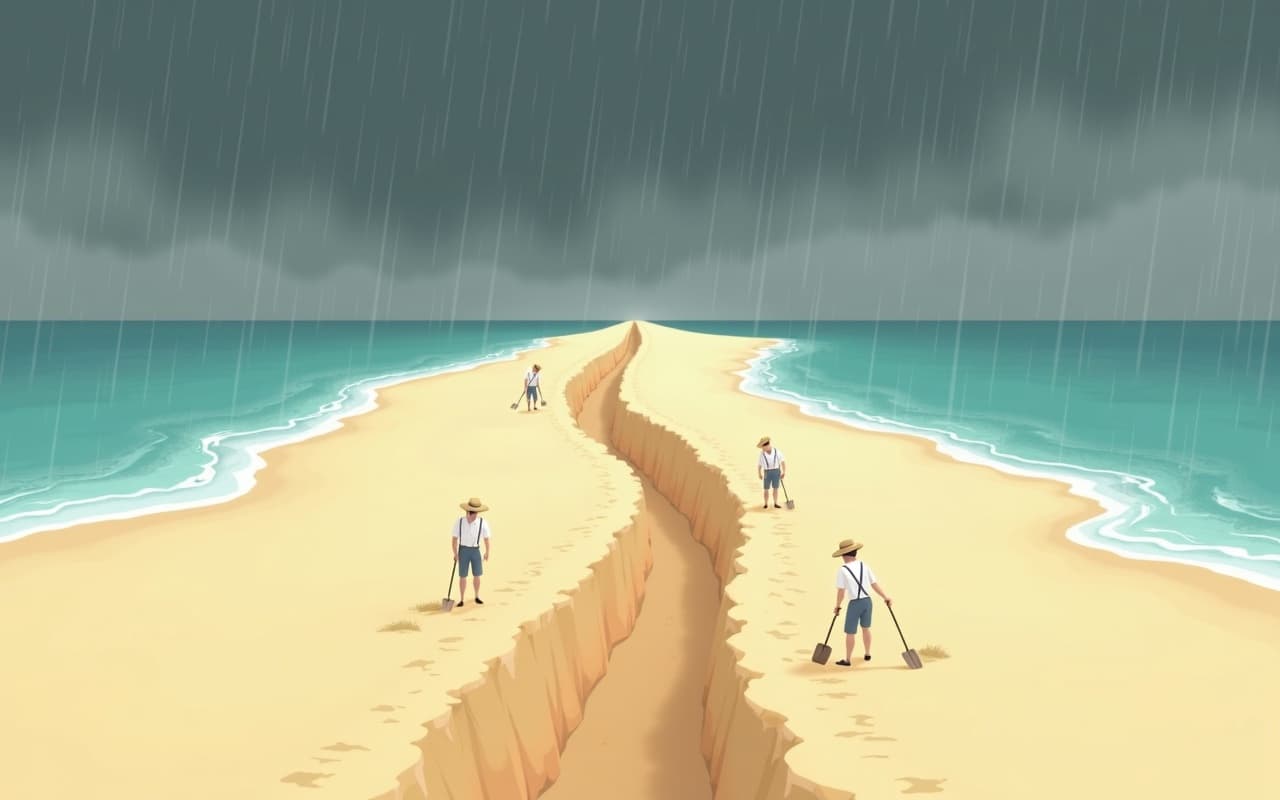
In 1929, a massive storm caused unprecedented rainfall that surged into the Choctawhatchee Bay from rivers in Alabama. The original East Pass, located nearly two miles east of its current position, was narrow, crooked, and clogged by storm debris. With no way for the rising water to escape, bay levels climbed eight to ten feet above normal, threatening to wash away the homes and docks of the nascent town of Destin.
Four local residents — O.T. Melvin, Dewey Destin Sr., Arn Strickland, and Dolf Weekly — armed themselves with nothing but shovels and boat oars and began digging a small, six-foot-wide relief trench. They intended to create just enough of a channel to let some pressure off the swollen bay. They severely underestimated what would happen next.
The Catastrophe
“Like turning a fire hose onto an anthill.”
— Vivienne Williams, Director, Destin History and Fishing Museum
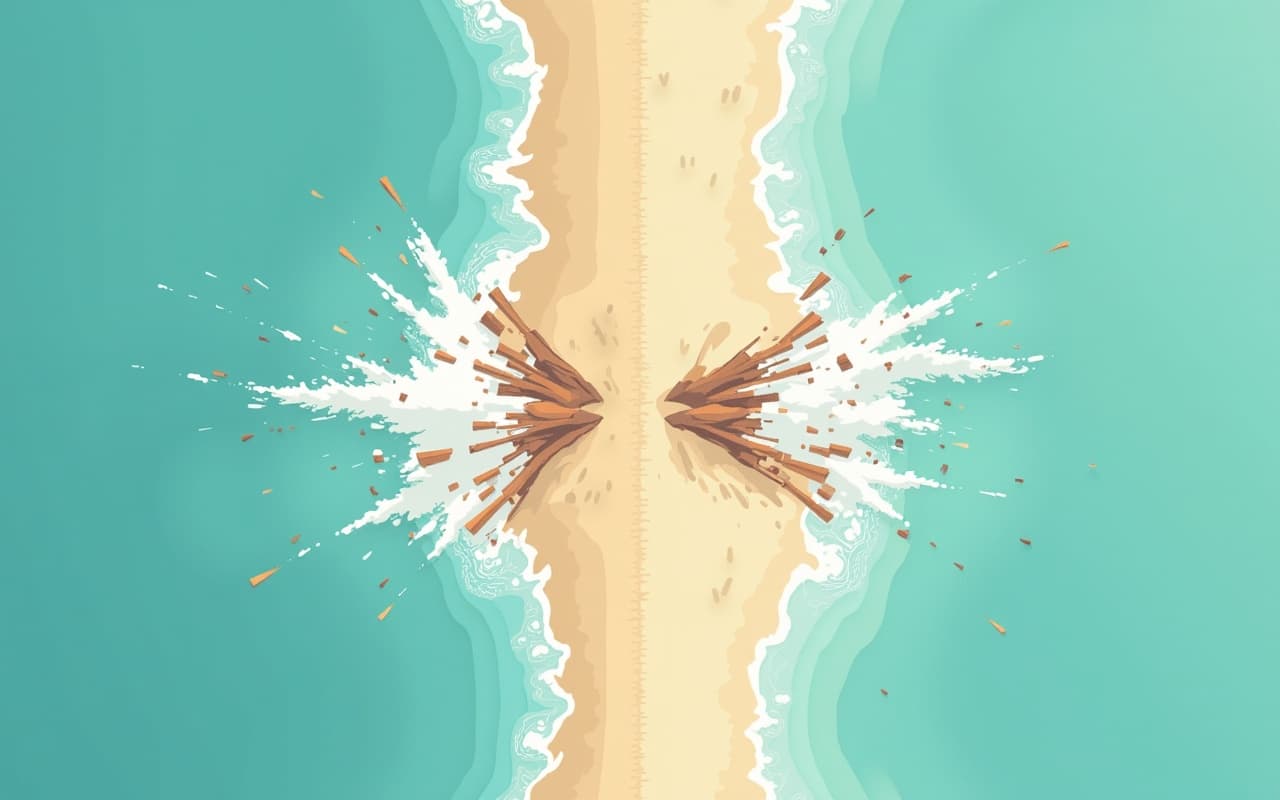
Because Destin's sand is exceptionally fine and loose, the pressurized water from the 28-mile-long bay exploded through the small breach. Within an hour the gully was 100 feet wide. By the next morning it had reached 500 feet. It eventually stabilized at a staggering 1,300 feet, leveling entire forests and permanently separating what is now Holiday Isle from Okaloosa Island.
The old East Pass, clogged and forgotten, eventually filled in completely. The new channel — wider, deeper, and far more powerful — became the only connection between Choctawhatchee Bay and the Gulf of Mexico.
The Cover-Up
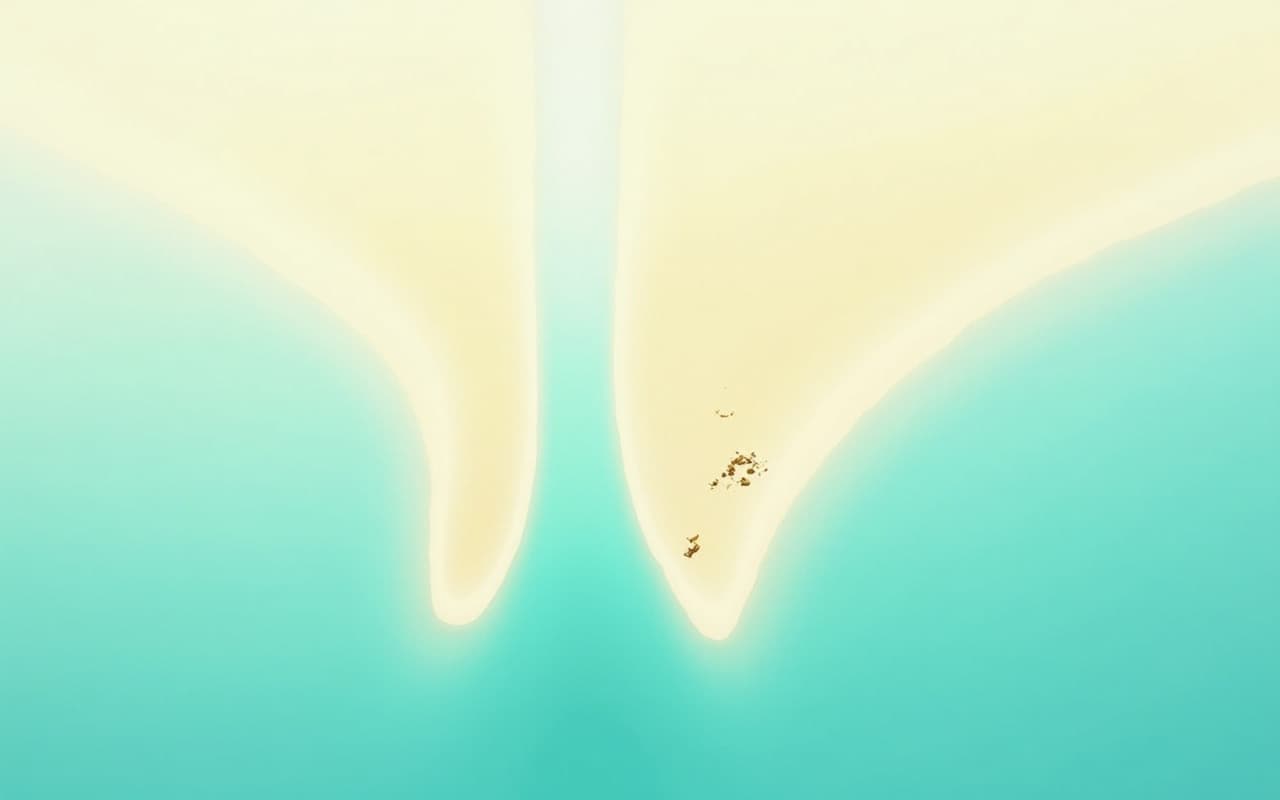
When federal government surveyors arrived shortly after the storm to assess the damage, they were shocked to find an entirely new body of water where solid land once stood. Gardens were gone. Forests had vanished. The coastline looked nothing like their maps.
Fearing they might be held legally liable for the catastrophic geographical changes and loss of property, the local participants kept quiet. For thirty years, the families “played dumb” with federal surveyors. It wasn't until decades later that they finally admitted their role in accidentally creating the modern East Pass.
The state eventually built seawalls to stop the ongoing erosion the trench had triggered — but by then the landscape of Destin had been permanently rewritten.
The Ecological Transformation
Perhaps the most significant long-term result of the 1929 event was the transformation of the bay itself. Before the current East Pass existed, Choctawhatchee Bay was primarily a freshwater body fed by springs and the Choctawhatchee River.
The direct, high-volume connection to the Gulf of Mexico dramatically increased the bay's salinity. Freshwater fish retreated upriver. Saltwater species and sea grasses moved in. This created the unique brackish ecosystem that exists today — and ultimately made Crab Island the crystal-clear, turquoise destination visitors know.
Through the Decades
Pre-1929
The original East Pass sat nearly two miles east of its current position — narrow, crooked, and prone to clogging during storms. Choctawhatchee Bay was primarily freshwater, fed by springs and the Choctawhatchee River. You could walk along the coast from Destin toward Pensacola without crossing open water.
1929
A massive storm raised bay levels eight feet above normal. Four residents dug a six-foot relief trench that the pressurized bay blasted to 1,300 feet wide, permanently separating Holiday Isle from Okaloosa Island and creating the modern East Pass.
1930s–1960s
Army Corps of Engineers dredging projects deposited sand that temporarily formed elevated "spoil islands" where Crab Island sits today. Birds and wildlife used these temporary landmasses. The new pass altered currents, slamming into the island and causing steady erosion.
1974
Hurricane Eloise washed away the last remaining sand above the waterline. Crab Island transitioned from a real island to the submerged sandbar (2–10 feet deep) that exists today.
1980s–1990s
Boaters discovered the shallow, crystal-clear water and began anchoring over the sandbar. Word spread, and Crab Island evolved from a quiet local spot into one of Destin's most popular destinations.
2018–Present
Local and federal authorities imposed restrictions to protect the area: alcohol sales banned on the water, overnight anchoring prohibited, and vessel speed limits enforced in the surrounding zone.
Destin History and Fishing Museum — Executive Director Vivienne Williams; oral histories and the “fire hose” account of the 1929 trench event.
The Destin Log / H.C. “Hank” Klein — Technical dimensions of the trench widening from 6 feet to 1,300 feet.
City of Destin Official Records — Transcripts regarding loss of local gardens and the subsequent state-built seawalls.
That same sandbar — shaped by storms, secrets, and the Gulf — is still out there. Check today's water clarity and conditions.
